More blogs
How Real-Time Design Is Transforming Broadcast Set Design
Real-time tools such as Unreal Engine are transforming how broadcast environments are designed and produced. At Lightwell, we use real-time workflows to create authentic virtual sets for broadcasters including the BBC, ITV, Discovery+, and Mediacorp Singapore.
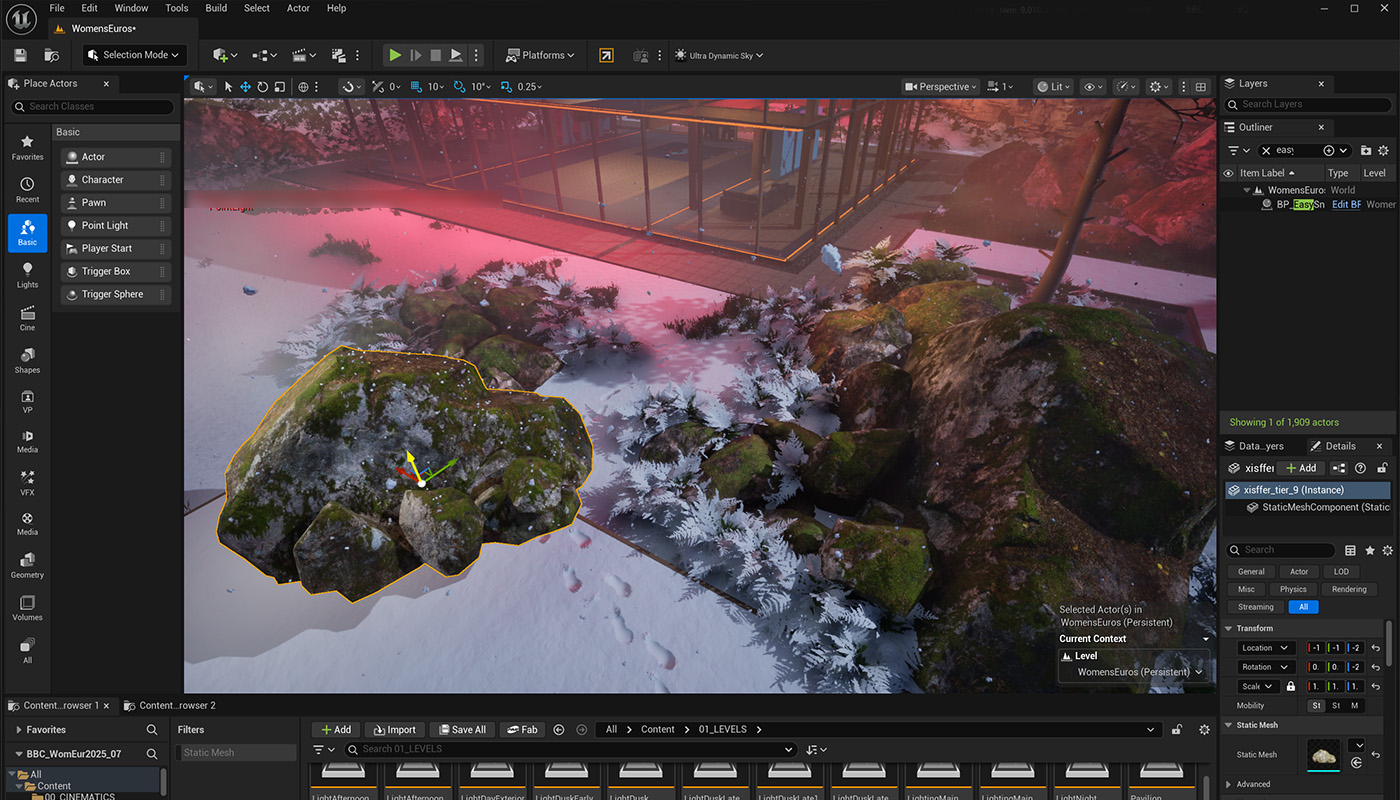

Lightwell is a leading provider of real-time design for television and broadcast. Since 2020, we have specialised in using Unreal Engine to create high-end virtual environments and broadcast graphics for major international broadcasters.
Our work spans a wide spectrum of visual solutions, including:
- Enhanced scenic photography
- Computer-generated animated environments for LED video loops
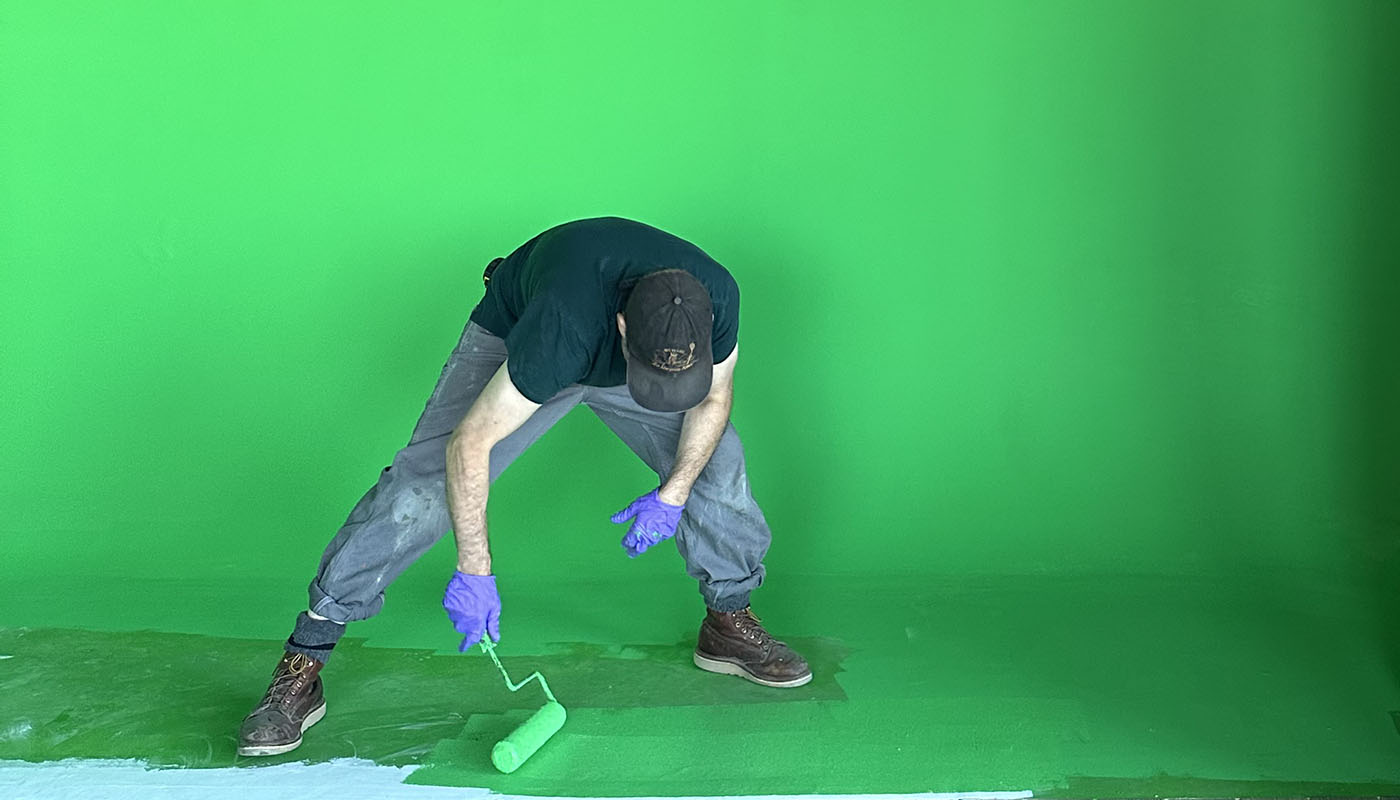
- Fully 3D real-time virtual sets powered by Unreal Engine
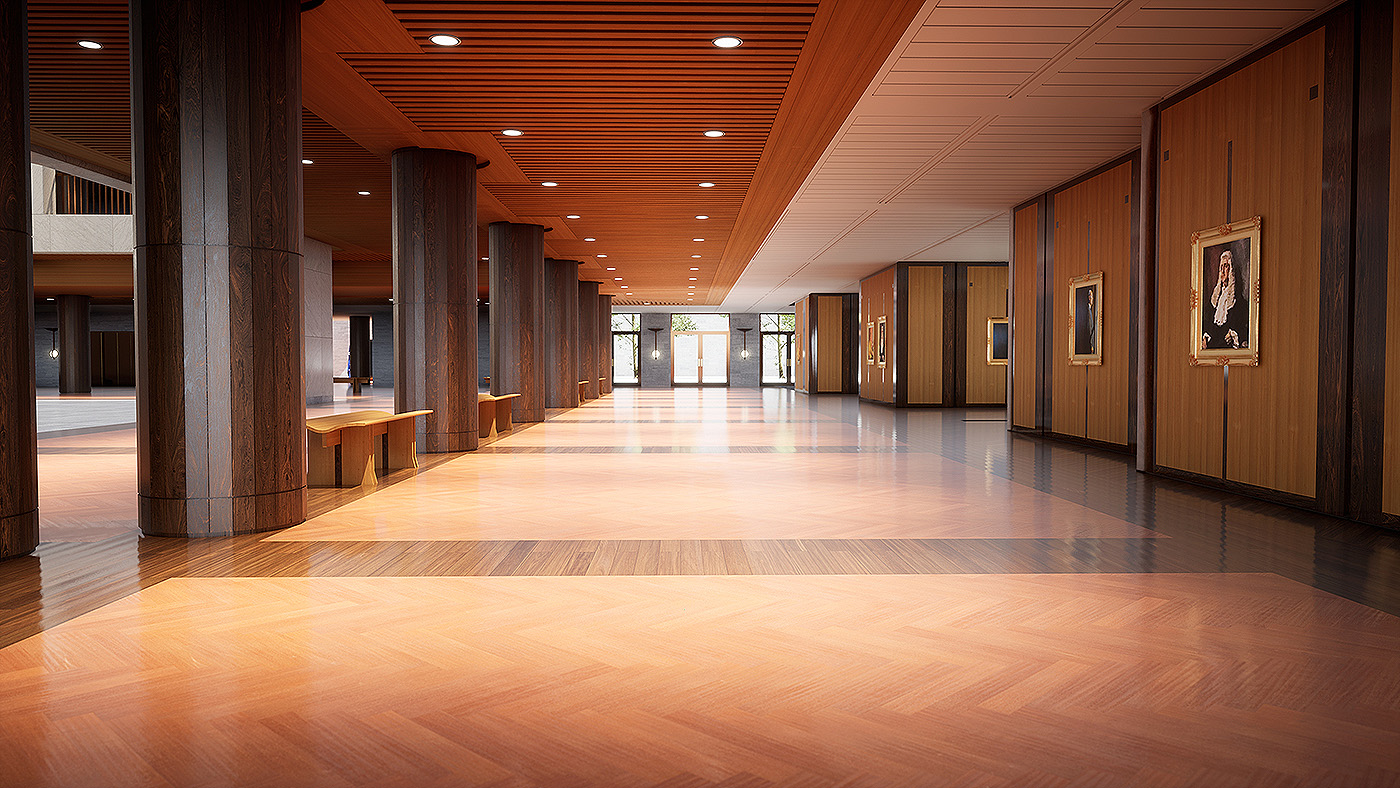
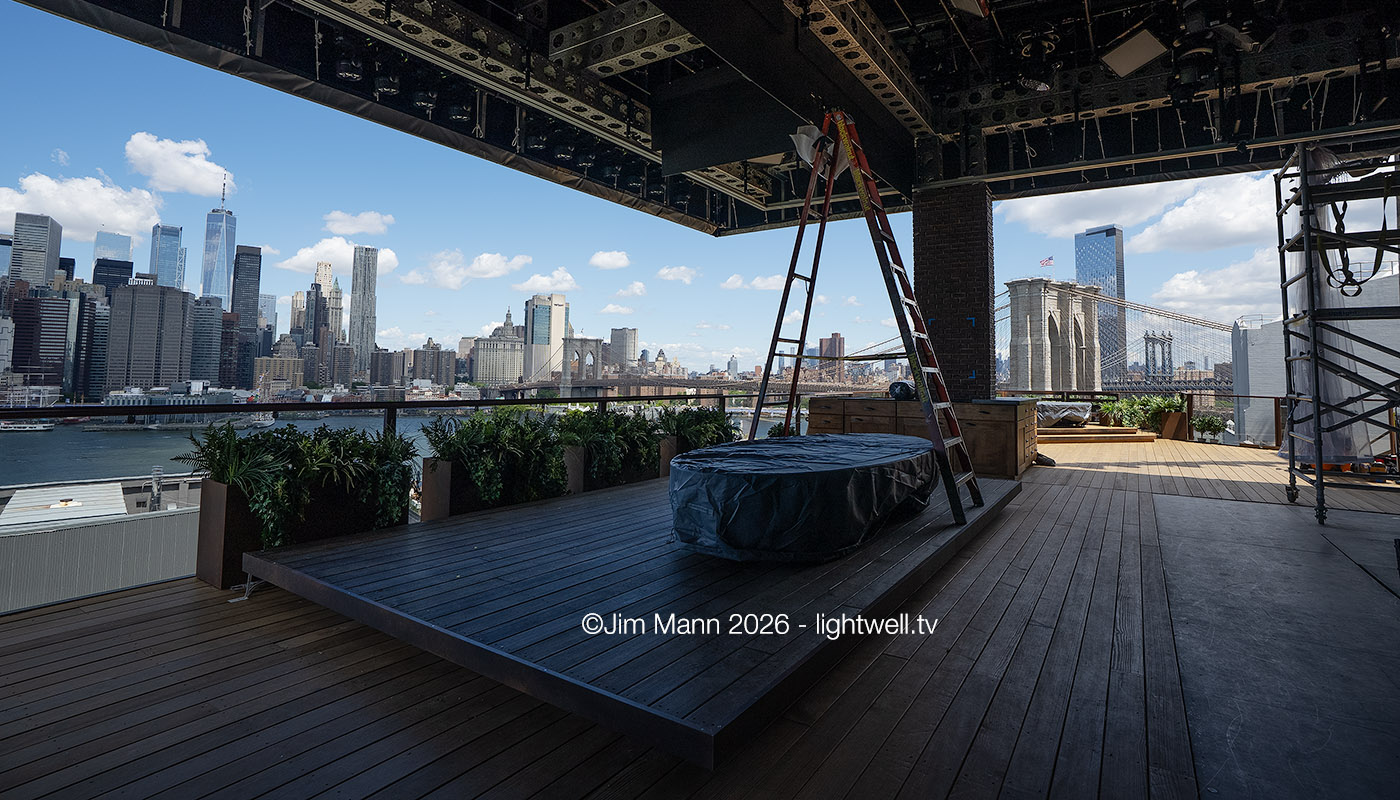
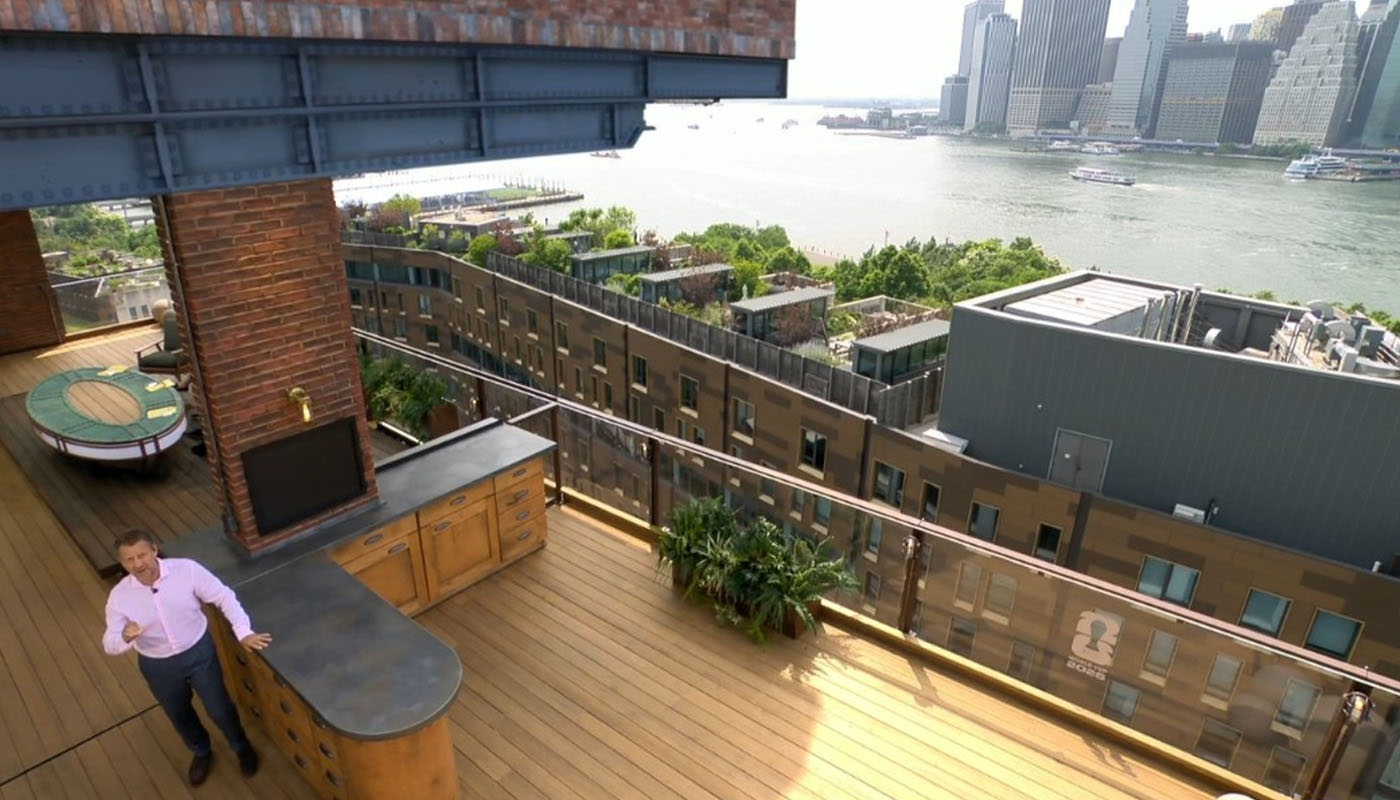
Across all workflows, our goal is the same: to create convincing and authentic environments that feel grounded in reality. We strive to set ourselves apart from other providers in the real-time space through a strong focus on realism, attention to detail, and the quality and authenticity of our lighting.
Why real-time design benefits broadcast production
Real-time tools such as Unreal Engine have transformed the design process for broadcast production. Beyond impressive visuals, they fundamentally change how creative teams collaborate, experiment, and deliver projects. Key benefits include:
Real-time design is highly flexible
- Unreal Engine environments are compatible with leading broadcast graphics and control systems, including Vizrt and Disguise.
- Broadcasters can integrate real-time designs into existing workflows without rebuilding infrastructure.
- Virtual sets can be repurposed across programmes, formats, and graphics packages, offering long-term creative value.
- The same environment can support multiple camera setups, segments, or programmes.
- Scenes can be updated easily with new graphics, textures, or lighting changes.
- Unreal Engine enables us to present and explore designs, much sooner in the creative process.

It enables rapid experimentation
- Real-time design provides instant visual feedback for lighting, layout, colour, and material changes.
- This eliminates long render cycles, allowing ideas to be tested quickly and iteratively.
- Creative teams can explore multiple options in a single session, making decisions faster.
- Directors, producers, and designers can all view changes live and evaluate in context.
- The workflow encourages refinement through iteration, resulting in stronger final designs.
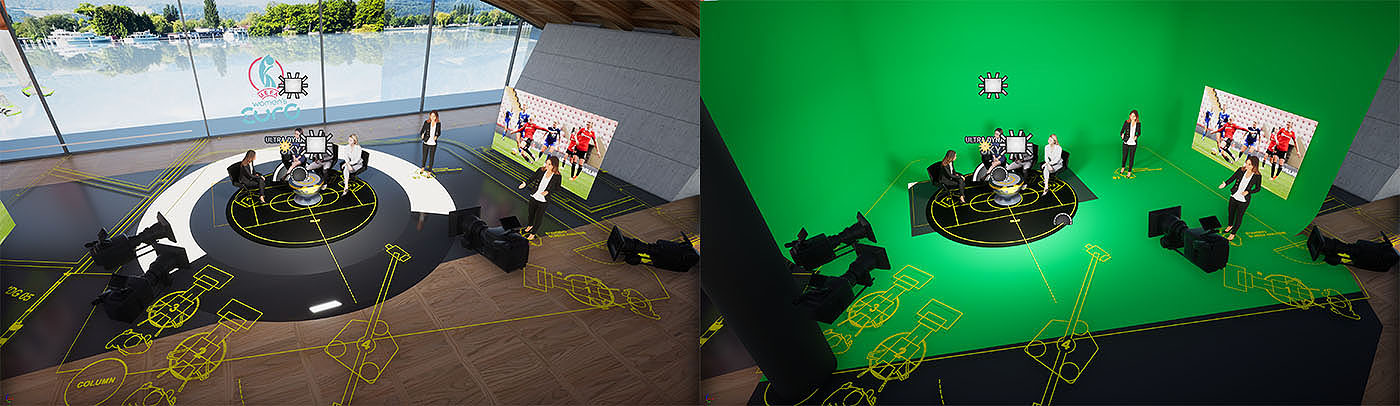
It increases positive creative serendipity
- Real-time tools often lead to unexpected visual discoveries.
- Lighting tweaks or layout changes can reveal new reflections, shadows, or camera angles.
- These “happy accidents” often become key features of the final set.
- The workflow encourages teams to follow promising visual ideas immediately, rather than waiting for a later render.
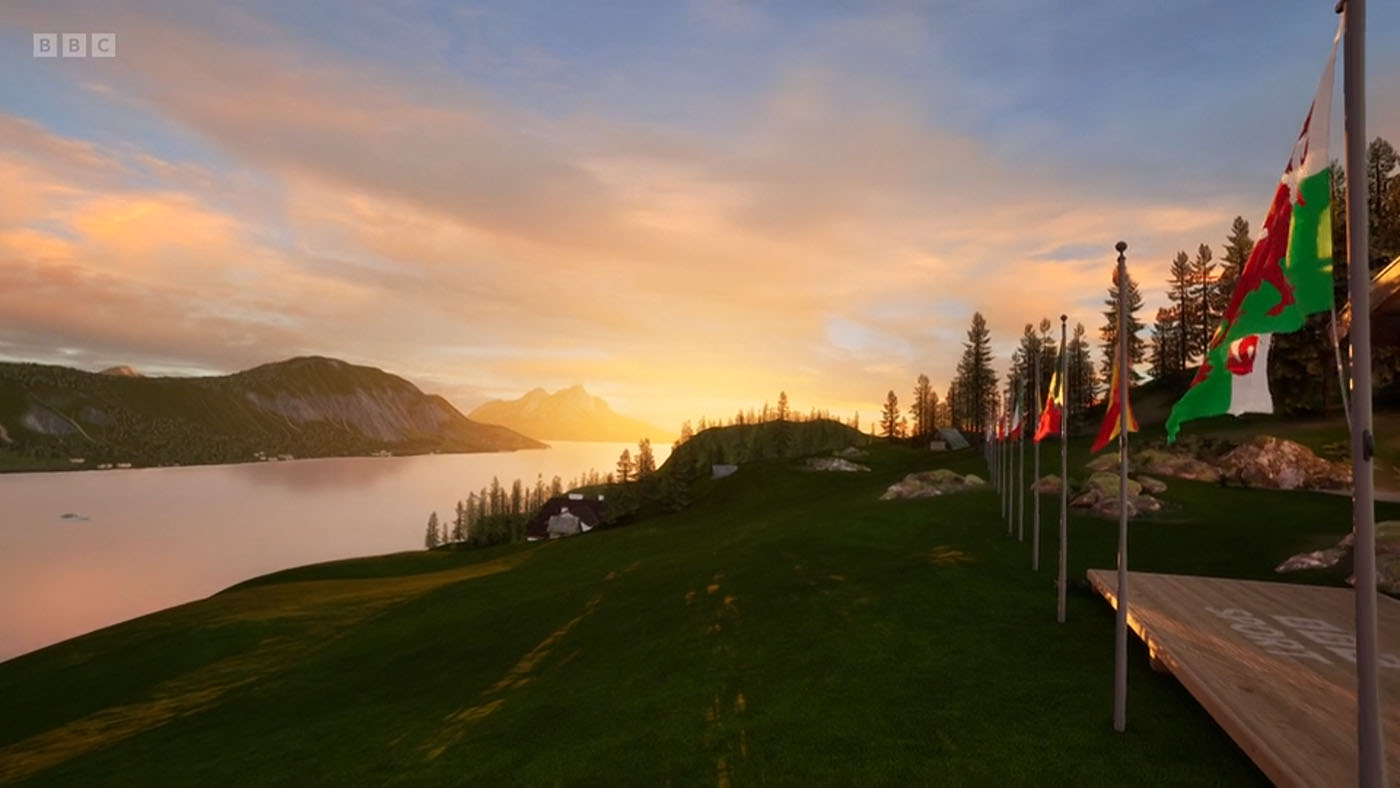
Real-time design delivers visual certainty from concept through to broadcast
- Presentation visuals are generated directly from the real‑time production environment.
- Approved designs translate to screen output with pixel‑accurate fidelity
- No reinterpretation, no colour drift, no unexpected changes in lighting or scale.
- Creative intent is preserved end‑to‑end across design, build, and broadcast.
- Clients sign off knowing the final product will look exactly as presented
It encourages collaborative creativity
- Real-time design supports interactive sessions with clients and creative teams.
- Instead of static images, clients can navigate the environment live and explore camera positions.
- Proposed changes can be tested instantly, creating a transparent design process.
- Producers, directors, and editors can contribute ideas in context, accelerating decision-making.
- The process becomes a shared creative exploration, building confidence in the final design.
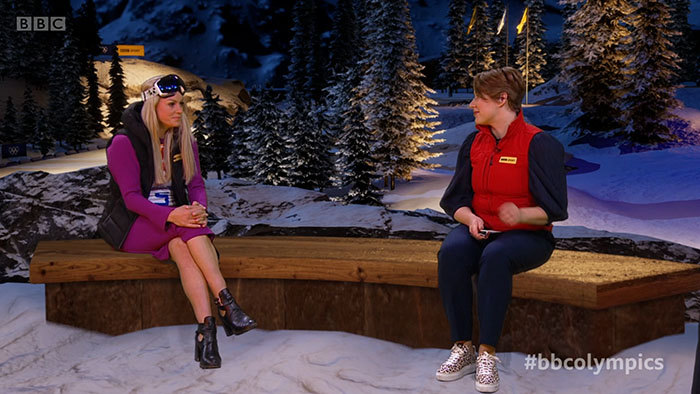
It creates a fully explorable 3D environment
- Real-time sets are complete three-dimensional spaces that can be navigated freely.
- Designers and production teams can move cameras through the space, exploring angles and compositions.
- Presenters, graphics, and lighting can be positioned dynamically to respond to editorial needs.
- Directors can experiment with camera choreography and transitions before reaching the studio floor.
- This freedom helps create more dynamic and engaging storytelling on screen.
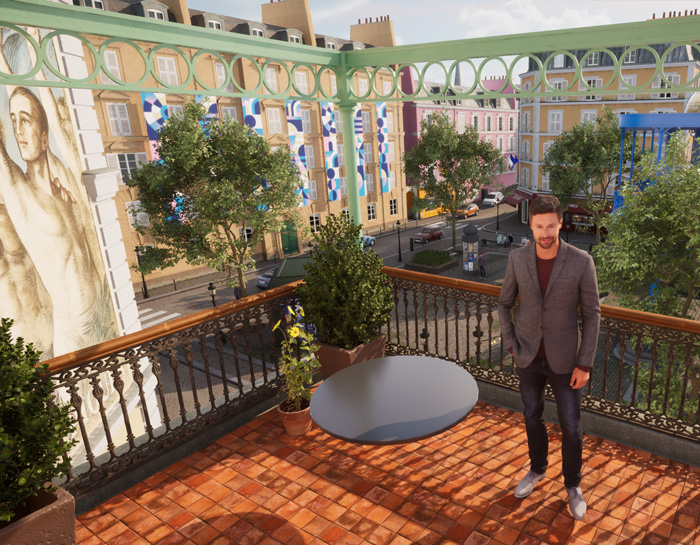
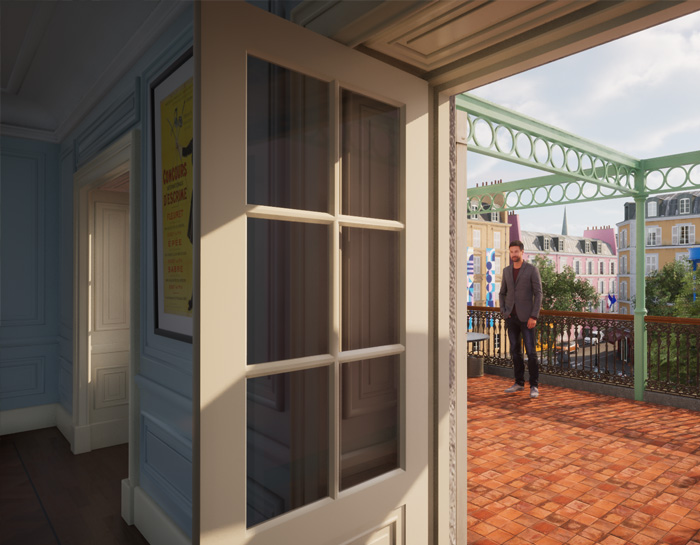
Examples of Lightwell's real‑time design
Lightwell has been at the forefront of real‑time broadcast design for over a decade, delivering virtual studios, AR environments, and real‑time graphics for major broadcasters worldwide. Our real-time design work spans:
- BBC - Virtual sets and real‑time environments for news, sport, and major events including the BAFTA‑winning Paris 2024 Olympics coverage
- ITV - Real‑time design for sport, news, and multi‑programme studio environments.
- Discovery+ - Real‑time environments for premium sports coverage.
- CNA Singapore - Virtual studios and real‑time newsroom graphics.
Across these projects, our hybrid expertise in architecture, broadcast design, and real‑time engines allows us to create environments that are both visually striking and operationally robust.
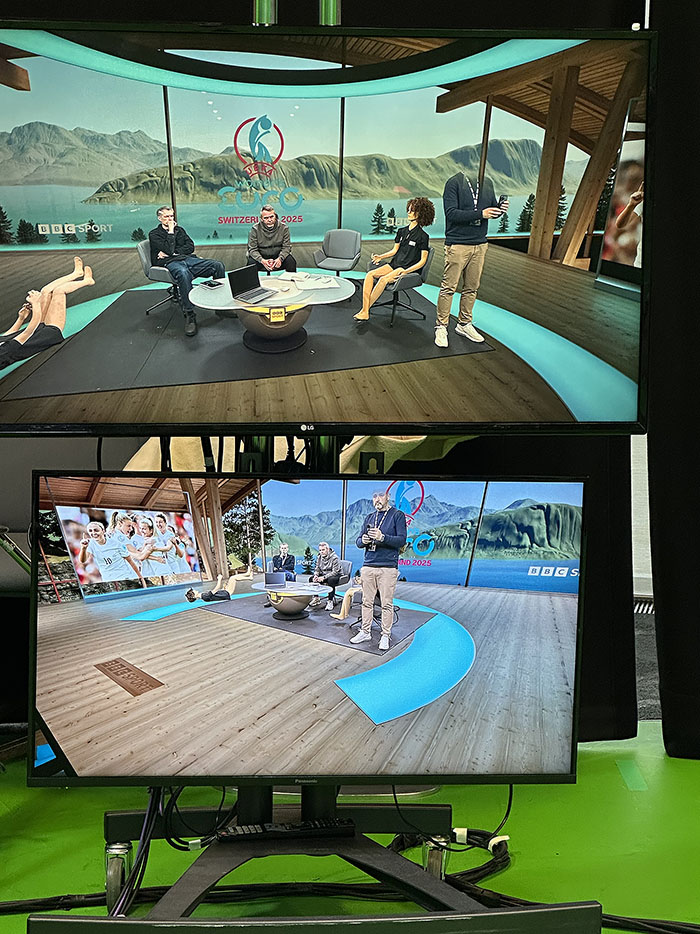
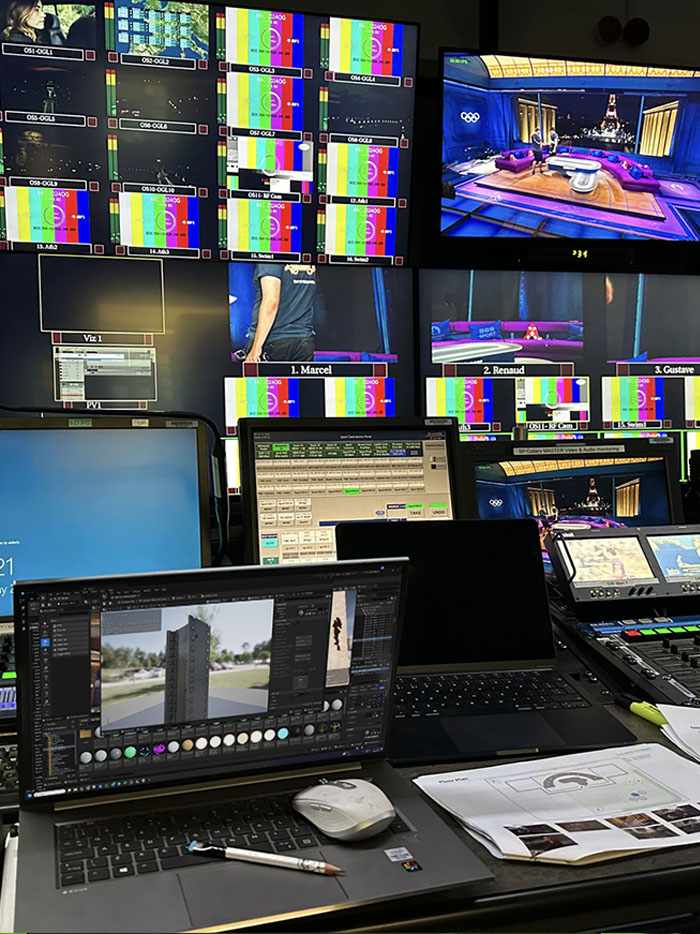
Why realism matters
While real-time technology provides powerful creative tools, the success of a virtual set ultimately depends on how believable it feels on screen.
At Lightwell, we focus heavily on realism and authenticity. Careful attention is given to how materials behave, surfaces respond to light, and architectural details support the programme’s narrative. Subtle reflections, accurate lighting, and considered textures ensure the environment feels grounded and credible. This approach helps virtual sets sit naturally within the broadcast image, supporting presenters, graphics, and camera work rather than competing with them.
Real-time design continues to reshape how broadcast environments are conceived and produced. By combining technical flexibility, rapid experimentation, collaborative workflows, and fully navigable 3D environments, it offers a powerful platform for modern television.
At Lightwell, we combine these capabilities with a strong focus on realism, attention to detail, and quality lighting to deliver virtual environments that feel authentic on screen. As real-time tools evolve, they will expand the possibilities for how television spaces are imagined, designed, and experienced.
If you’re considering a real‑time approach for an upcoming studio or programme, we’d be happy to discuss how it could support your goals - contact us here.

Lightwell designs virtual sets and virtual production environments for major broadcasters and global sporting events. Combining architectural design thinking with deep technical fluency, we create environments that are visually compelling, editorially flexible, and built to perform live. Clients include BBC, ITV, CNA, Bloomberg, Sky, and Discovery.
Read more