More blogs
A BAFTA Win That Reflects the Moment Women's Football Has Arrived
Last night at the Royal Festival Hall, the BAFTA Television Awards handed out its Sports Coverage prize - and the winner was BBC One's UEFA Women's Euro 2025. Produced by Sunset+Vine Scotland, it beat out stiff competition from the 2025 Ryder Cup, the FA Cup Final, and Wimbledon 2025 to take home one of the night's most hotly contested trophies. It's a result that feels both right and significant - and one we're particularly proud to have played a part in.


Women's football has been building toward this kind of recognition for years. Euro 2022 was a watershed - a tournament that showed the sport could stop the nation in its tracks. Euro 2025 in Switzerland went further still. At the peak of England's final win over Spain, 12 million people watched Chloe Kelly score the winning penalty on BBC One - the biggest sports audience of 2025. Numbers like that don't just reflect a good match. They reflect a shift in how the country relates to women's sport.

But audience figures alone don't win BAFTAs. What the judges would have recognised is the quality and ambition of the production itself. When BBC Sport ran a competitive tender for the tournament's coverage, Sunset+Vine brought Lightwell in as their design partner to develop the virtual studio concept - a contemporary timber pavilion set high in the Swiss Alps, overlooking Lake Lucerne - that would sit at the heart of their pitch and ultimately the broadcast itself. It's the kind of creative decision that signals confidence: a willingness to invest in the aesthetic language of the tournament rather than simply pointing cameras at matches and hoping for the best.
The on-screen approach was equally considered. The team committed to on-site presentation for every England and Wales match and built a sustainable travel plan between the UK and Switzerland. The on-screen team blended established names with fresh voices and a strong international mix of guests and contributors. That mix mattered. One of the criticisms sometimes levelled at sports coverage is that it can feel insular - the same voices, the same framings. Euro 2025 on the BBC felt genuinely alive to the world around the football.
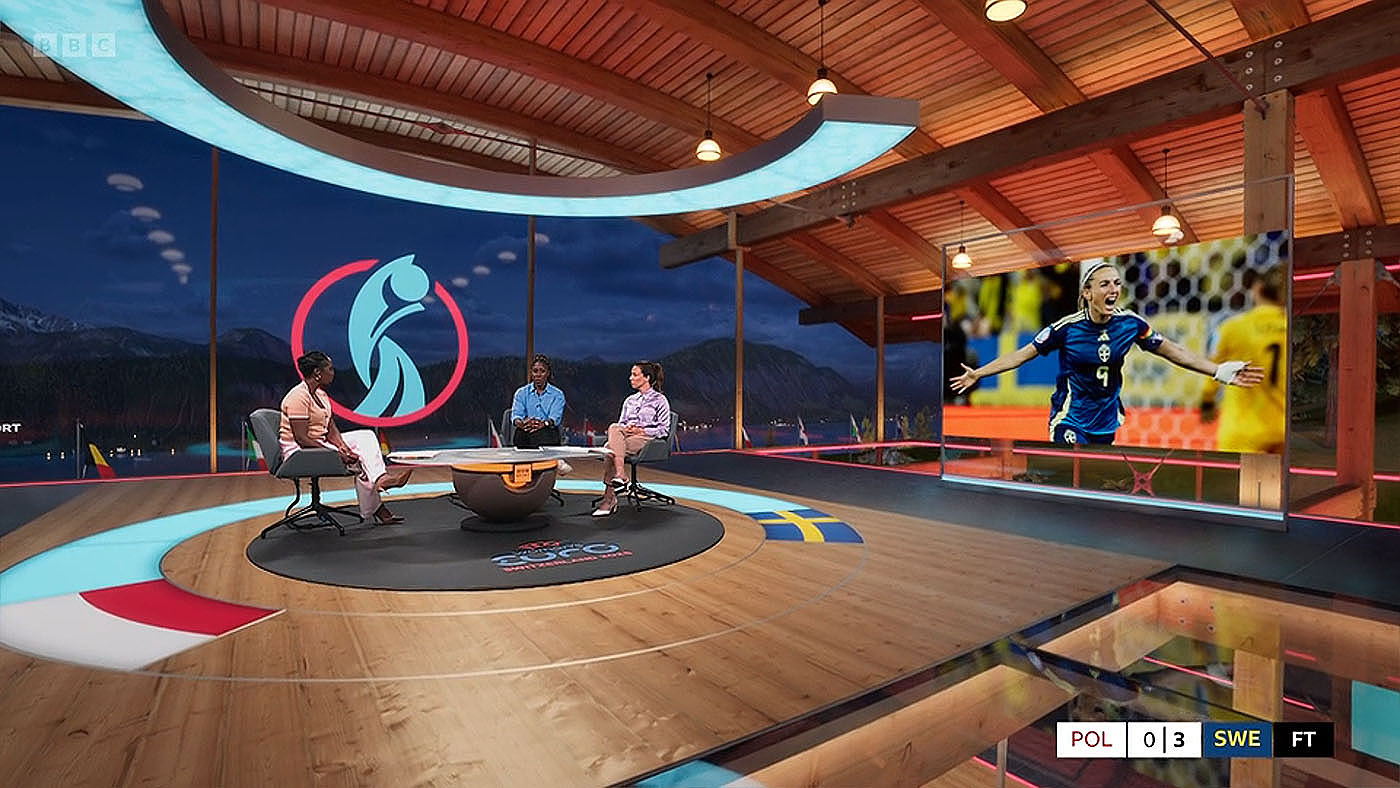
BBC coverage was fronted by Gabby Logan, Alex Scott and Jeanette Kwakye across the 26-day competition, with reporters embedded in the England and Wales camps throughout. As interest in the tournament grew and the drama increased, the programming grew with it - bringing in voices from beyond football, including figures from television, film and music. That build-up led to a five-hour final broadcast that captured the scale, tension and emotion of England's victory in Basel.
A five-hour final broadcast is a statement of intent. It says: this matters, and we're going to treat it accordingly.
For those of us who care about sports broadcasting - how it's made, what it says about the sport it covers, and the audiences it speaks to - this BAFTA win is genuinely heartening. The production showed how major tournament broadcasting could feel smart, ambitious and emotionally in tune with the audience. That's a high bar, and a useful one to remember the next time a major sports rights deal is being negotiated or a production team is deciding how much to invest in the craft of coverage.
Women's football has had to fight for every camera, every prime-time slot, every presenter who takes it seriously. The BBC and Sunset+Vine Scotland gave Euro 2025 the full treatment - and BAFTA noticed. At Lightwell, we believe that women's sport deserves exactly that: the same creative investment, the same design ambition, and the same quality of presentation as any major men's tournament. Last night's award felt like the industry catching up with that idea. That feels like progress worth celebrating.
You can read our case study for the virtual set we created for this groundbreaking, BAFTA winning sports coverage, here: BBC Sport’s UEFA Women’s Euros 2025 Studio: A Virtual Pavilion with a View
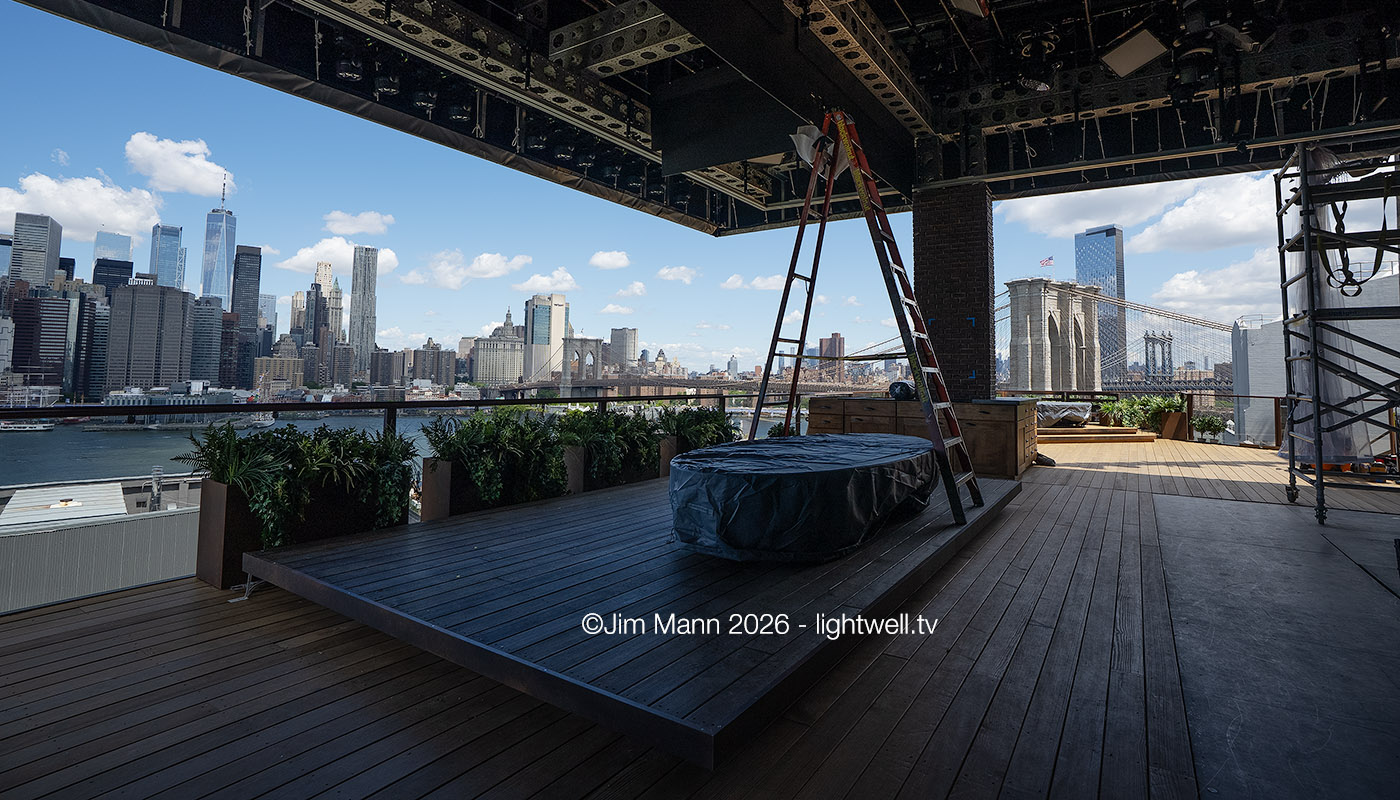
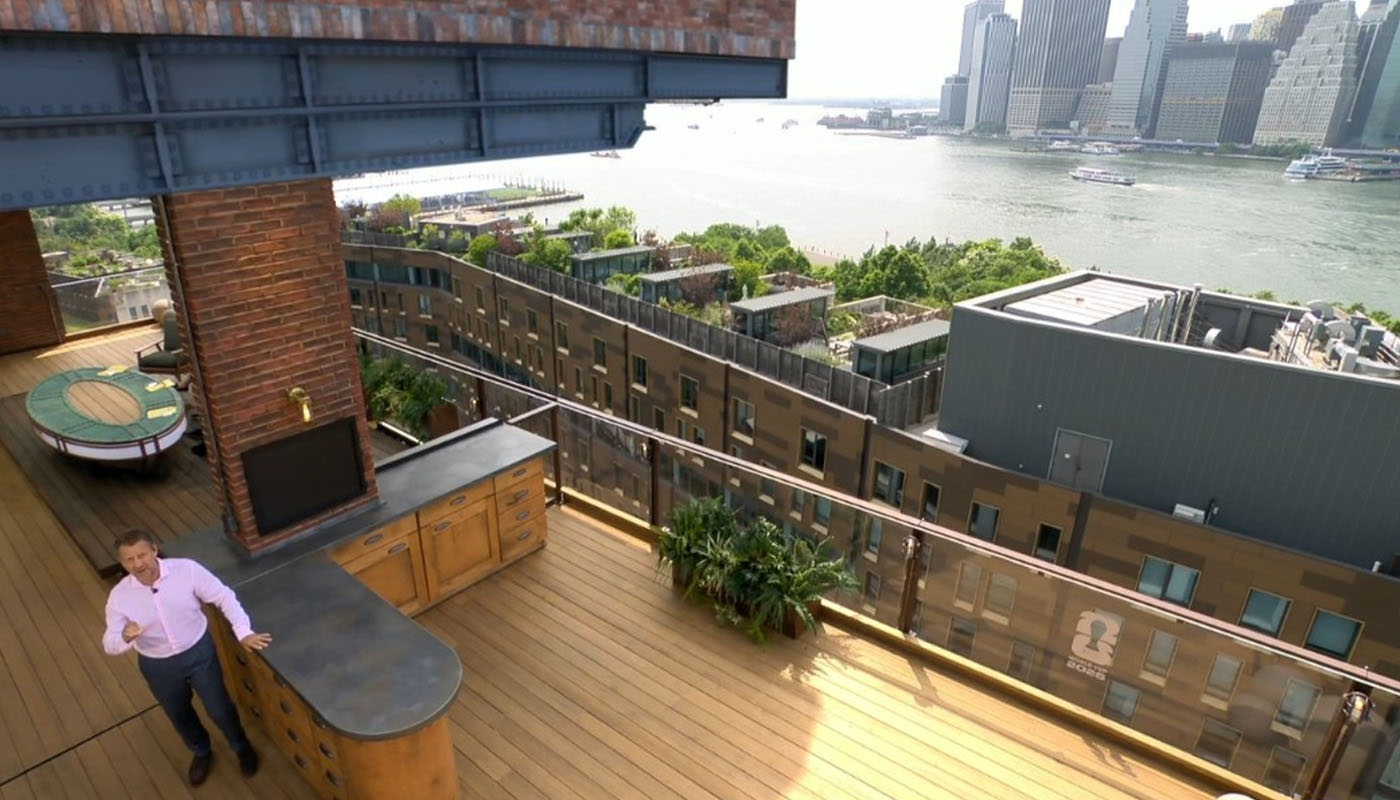
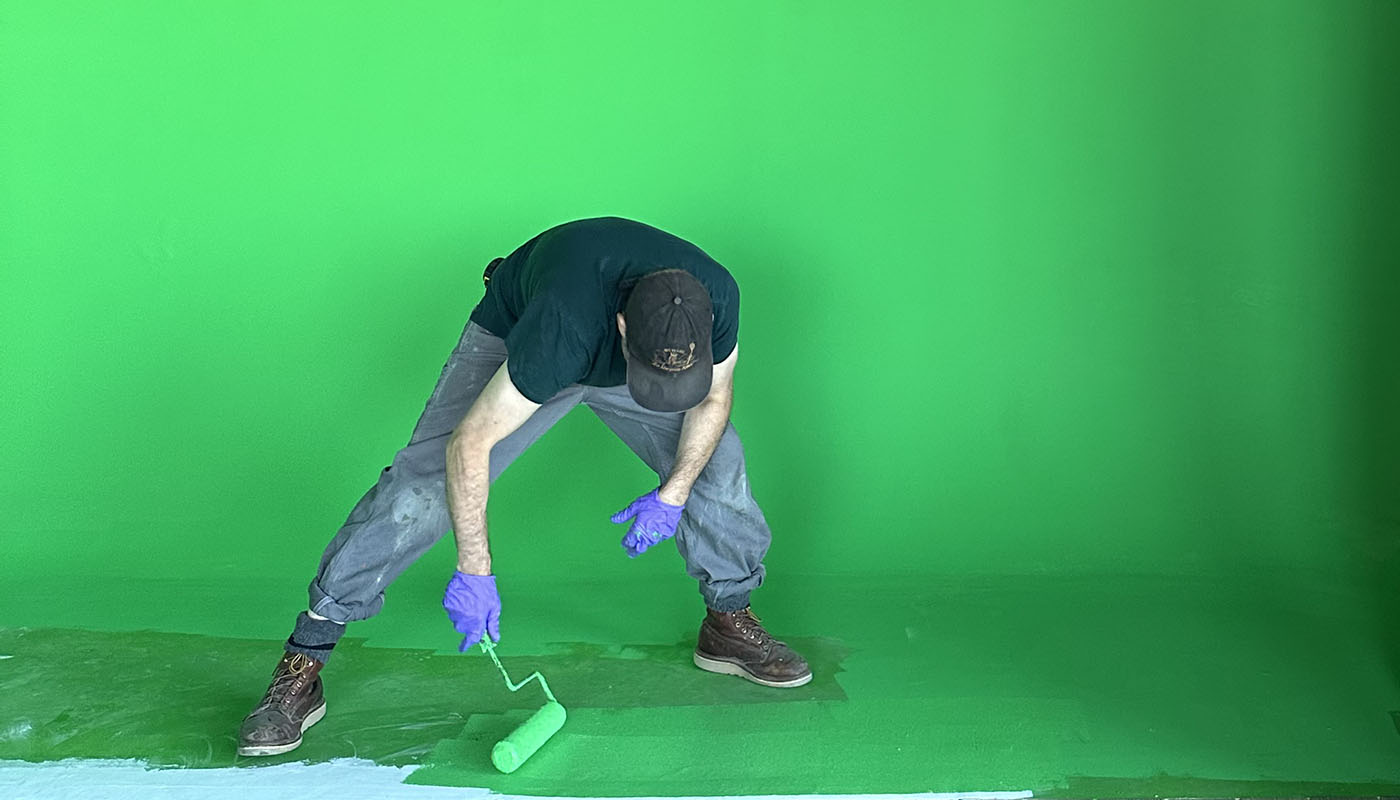

Lightwell designs virtual sets and virtual production environments for major broadcasters and global sporting events. Combining architectural design thinking with deep technical fluency, we create environments that are visually compelling, editorially flexible, and built to perform live. Clients include BBC, ITV, CNA, Bloomberg, Sky, and Discovery.
Read more